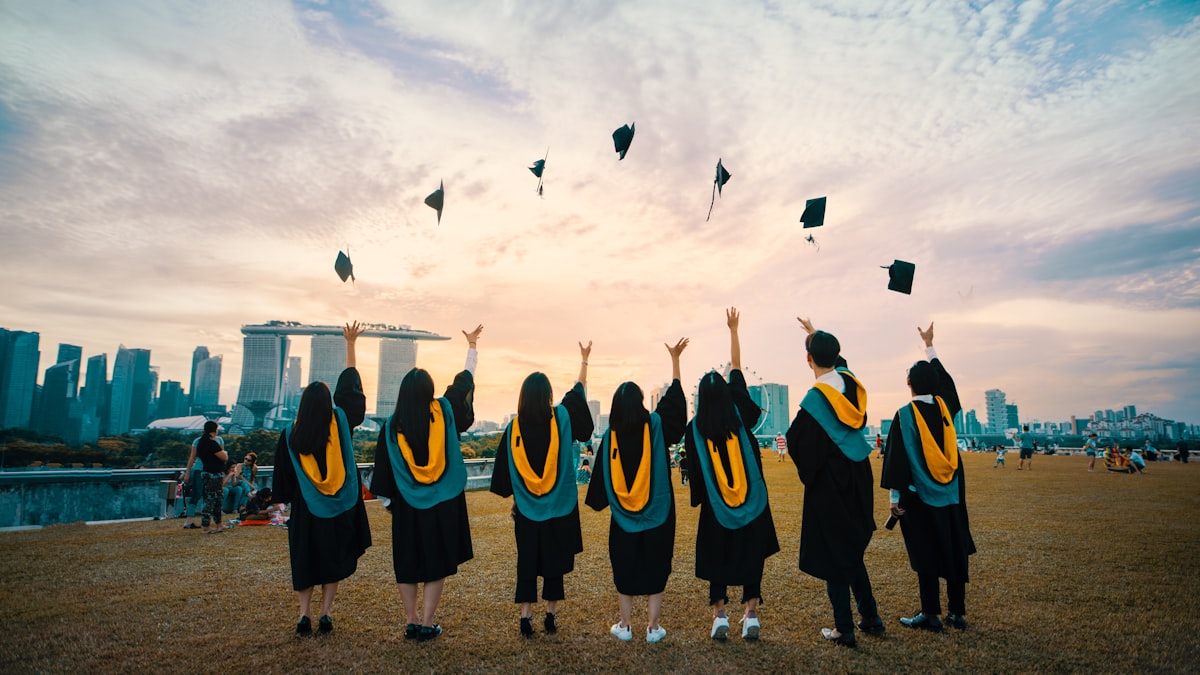
For most of the past two decades, China sent more students to American universities than any other country. But around 2022 a quiet shift accelerated, and India began closing the gap on the F-1 student visa before eventually pulling ahead in several important measures. For anyone thinking about studying in the United States, this change says a lot about where opportunity is heading.
How the shift happened
Several forces pushed in the same direction at once. The pandemic disrupted travel and visa processing worldwide, and China's slower reopening and tighter exit environment reduced its outbound student flow. At the same time, India's young, fast-growing, English-speaking population kept producing more students hungry for graduate education in technology and business.
The result showed up clearly in graduate programs. India became the dominant source of international students in master's and doctoral programs, especially in science, technology, engineering, and math fields. By later counts, India overtook China as the single largest source of international students overall.
Why Indian students choose the United States
The appeal is practical and specific. Indian students tend to concentrate in fields with strong career payoffs, and the American system offers a combination that is hard to match:
- Graduate programs in computing, engineering, and data-heavy fields with global reputations.
- Optional Practical Training, which lets F-1 graduates work after finishing, with an extended window for STEM degrees.
- A pipeline from student status toward employer-sponsored work visas for those who perform well.
- Deep industry links between universities and the technology sector.
This is exactly the kind of immigration that serves the country well. These are students who apply honestly, pay tuition, study demanding subjects, and often go on to build companies, file patents, and fill skilled roles. Merit-based, rule-following immigration of this kind is a strength, not a strain.
The bottlenecks that remain
Rising demand collided with limited capacity. Visa interview wait times in India stretched to many months during the post-pandemic surge, frustrating admitted students racing to make enrollment deadlines. The government eventually added interview slots and processing resources to work down the backlog, but the episode showed how administrative capacity, not student quality, is often the real constraint.
There is a longer-term squeeze too. Many Indian graduates want to stay and work, but the employer green card categories carry per-country limits, and Indian applicants face some of the longest waits of any nationality. A student can excel, land a job, and still spend years in line for permanent residence. That backlog is a genuine policy problem, because it risks sending talented, law-abiding workers to competitor countries.
What it means for the classroom and beyond
The India surge is reshaping American campuses and the talent pool that flows from them. Universities have leaned into graduate STEM enrollment, and employers increasingly recruit from this pipeline. For India, it reflects a rising middle class investing in education. For the United States, it is a reminder that the student visa remains one of the most valuable front doors in the entire immigration system when it is managed efficiently.
What this means for you
If you are an international student, especially from India, the path is well-worn but competitive, and timing matters enormously. Apply early, plan around interview wait times, and think several steps ahead about Optional Practical Training and the work-visa options that can follow your degree. The F-1 route can open doors to a long-term future in the United States, but only if you map the whole journey from the start rather than one step at a time.
Not sure which visa fits your situation? Take the free 2-minute Open visa quiz and get your match instantly.

Join the conversation