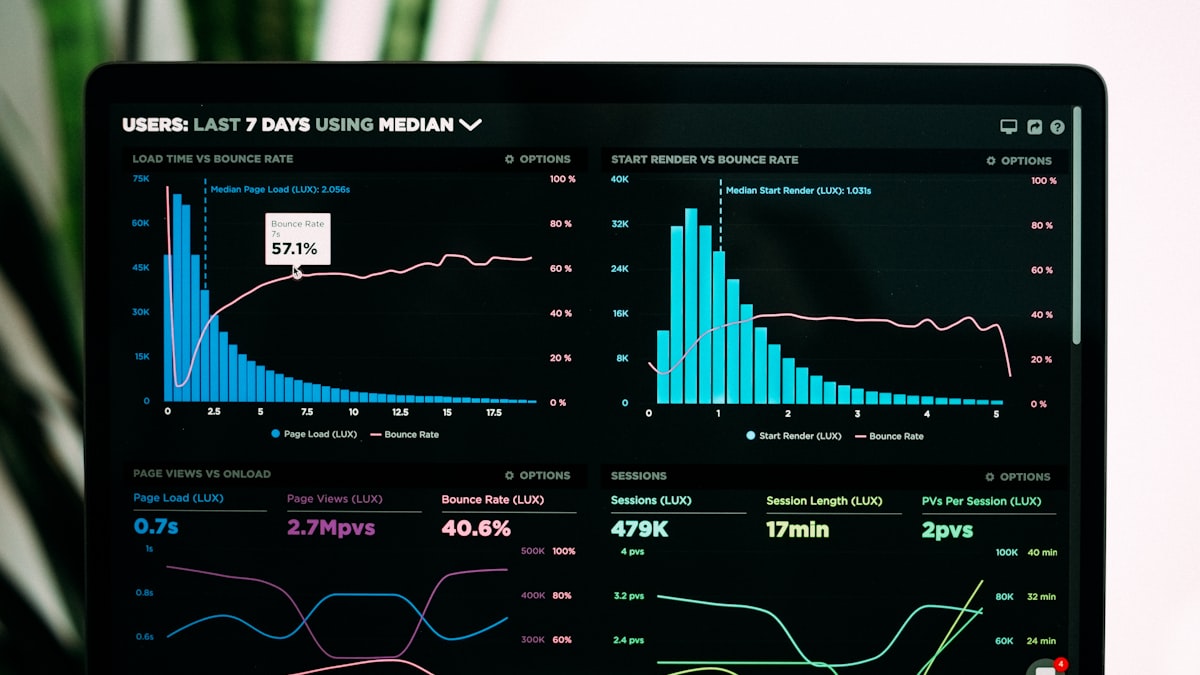
Follow the money and you understand a program. Since 1990, the EB-5 investor visa has channeled tens of billions of foreign dollars into American projects in exchange for green cards, and the map of where that money went says a lot about how the program worked, how it was gamed, and how the 2022 reforms redirected the flow. Here is EB-5 by the dollars.
The scale of the flows
Across the program's life, EB-5 has drawn on the order of 40 billion dollars or more into the U.S. economy, with peak years around 2015 seeing billions raised annually. The program's basic bargain: invest roughly 800,000 dollars (in a targeted employment area) or 1.05 million elsewhere, create at least ten American jobs, and earn permanent residence for yourself, your spouse, and children under 21. Roughly 10,000 visas per year are available, counting family members, and demand has repeatedly exceeded supply.
Where the money historically went
The honest answer for the pre-reform era: overwhelmingly into big-city real estate. Landmark examples include Hudson Yards in Manhattan, which raised on the order of a billion dollars through EB-5, along with hotels, towers, and mixed-use projects in New York, Los Angeles, Miami, and San Francisco. Developers loved EB-5 as cheap mezzanine capital; investors loved brand-name projects. The controversy was equally real: through creative district-drawing, wealthy urban projects qualified for the discounted targeted employment area rate that Congress intended for struggling regions, and a handful of outright frauds, such as the notorious Vermont ski resort case in the mid-2010s, gave the program a black eye.
Who sent the money
- China dominated the classic era, at its peak accounting for roughly 80 percent or more of investors, until demand so exceeded the per-country cap that Chinese applicants faced decade-scale backlogs.
- India surged next, driven by professionals fleeing the endless H-1B green card queue, followed by South Korea, Taiwan, Vietnam, and a growing Latin American cohort.
- The typical investor is a business owner or executive parent, frequently investing with a child's American education and future in mind.
How 2022 redirected the river
The EB-5 Reform and Integrity Act of 2022 was, in effect, a rezoning of the money map. It reserved set-aside visas, roughly 20 percent for rural projects, 10 percent for high-unemployment areas, and 2 percent for infrastructure, gave rural cases priority processing, took district-gerrymandering away from the states, and imposed real integrity rules on regional centers: audits, fund administration, and disclosure. The market responded exactly as designed: capital that once chased Manhattan towers began flowing to rural projects, ski towns, agricultural processing, energy, and heartland manufacturing, because rural set-aside investors from backlogged countries could skip the queue that trapped their predecessors. For investors from India and China, the rural category has been the single most consequential feature of modern EB-5.
What this means for you
If you are considering an EB-5 investment, the money map yields practical rules:
- Set-asides are strategy, not trivia: rural projects offer reserved visas and priority processing, often the fastest green card available to Indian and Chinese nationals.
- Underwrite the project, not the brochure. Job-creation math, capital structure, developer track record, and exit strategy determine whether you get both the green card and your money back.
- Use the integrity reforms: demand the fund administration, audits, and disclosures the 2022 law entitles you to; a sponsor who resists is telling you something.
- Document source of funds meticulously; it remains the top cause of EB-5 delays and denials.
- Mind the 2027 reauthorization horizon: filing while grandfathering protections apply insulates you from congressional drama.
EB-5's money trail tells a classic American story: capital follows incentives, and Congress finally pointed the incentives at the communities that need investment most. For a careful investor, that alignment of your green card with rural America's growth is the rare win-win the immigration system actually got right.
Not sure which visa fits your situation? Take the free 2-minute Open visa quiz and get your match instantly.
Join the conversation